 Call Us : 08045803081




 Send Inquiry
Trimethylolethane (TME) Chemical Intermediates
Trimethylolethane (TME) Chemical Intermediates Specification
- Usage
- For synthesis and manufacturing of specialty chemicals
- Shelf Life
- 2 years under proper storage
- Smell
- Odorless
- Appearance
- White crystalline powder
- Poisonous
- Non-poisonous
- Grade
- Industrial Grade
- Molecular Weight
- 120.15 g/mol
- Application
- Used as a chemical intermediate in the production of resins, coatings, lubricants, and plasticizers
- Storage
- Store in a cool, dry and well-ventilated place, keep container tightly closed
- Shape
- Crystalline
- Molecular Formula
- C5H12O3
- Ingredients
- Trimethylolethane (TME)
- Properties
- High purity, Stable under recommended storage conditions, Low toxicity
- Structural Formula
- CH3C(CH2OH)3
- Purity
- 98%
- Ph Level
- Neutral
- HS Code
- 29053990
- EINECS No
- 201-061-8
- Product Type
- Chemical Intermediates
- Refractive Rate
- Not applicable (solid)
- CAS No
- 77-85-0
- Solubility
- Soluble in water, alcohol, ether
- Physical Form
- Powder
- Density
- 1.003 Gram per cubic centimeter(g/cm3)
- Melting Point
- 199-201C
- Taste
- Odorless, tasteless
- UN Proper Shipping Name
- Not regulated
- Stability
- Stable under normal temperatures and pressures
- Hazard Class
- Non-hazardous for transport
- pKa Value
- 14.95 (hydroxyl)
- Incompatibility
- Strong oxidizing agents
- Packing Group
- Not regulated
- Vapor Pressure
- Negligible at 20°C
- Recommended Handling
- Use adequate ventilation and standard chemical hygiene practices
- Bulk Density
- Approx. 520 kg/m³
- Packaging
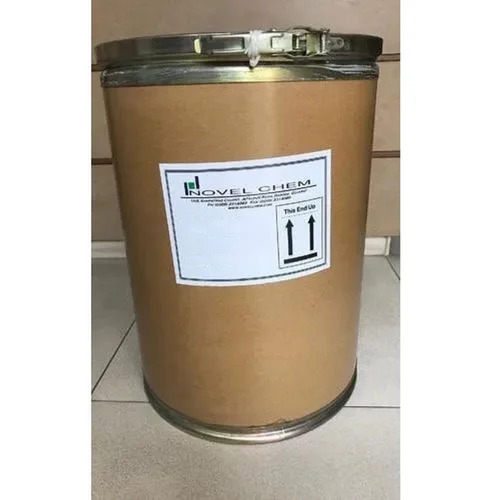
- 25 kg bags or as required
- UN Number
- Not regulated
- Boiling Point
- Decomposes before boiling
Trimethylolethane (TME) Chemical Intermediates Trade Information
- Main Export Market(s)
- Australia, Central America, South America, Western Europe, Middle East, Eastern Europe, Asia, North America, Africa
- Main Domestic Market
- All India
About Trimethylolethane (TME) Chemical Intermediates
Trimethylolethane (TME) is a colorless organic compound with the chemical formula C5H12O3. It is an ether that contains three hydroxyl (-OH) groups attached to a central carbon atom, and it is also known as 2,2-bis(hydroxymethyl)butane.
TME is widely used in the production of polyurethanes, which are versatile materials used in the manufacturing of various products, including foams, adhesives, coatings, and elastomers. It is also used as a solvent for resins, oils, and dyes, and as a chemical intermediate in the production of other compounds.
TME has a high boiling point and is relatively stable, which makes it a useful component in high-temperature applications, such as heat-resistant coatings and adhesives. It is also considered to be biodegradable and non-toxic, which makes it a preferred choice in certain applications where environmental and safety concerns are important factors.
FAQ
1. What is Trimethylolethane (TME) chemical?
Answer: Trimethylolethane (TME) is an organic compound that is used in the manufacture of adhesives, coatings, and other industrial products. It is a colorless and volatile liquid with a sweet odor.
2. What are the properties of Trimethylolethane (TME) chemical?
Answer: Trimethylolethane (TME) has a boiling point of 107 Deg C, a flash point of 10 Deg C, and a vapor pressure of 0.1 mmHg at 25 Deg C. It is soluble in water and a variety of organic solvents, but is insoluble in glycerol.
3. What are the applications of Trimethylolethane (TME) chemical?
Answer: Trimethylolethane (TME) is used in the manufacture of adhesives, coatings, and other industrial products. It is also used as a solvent in paints, varnishes, and inks.
4. Are there any safety precautions to consider when handling Trimethylolethane (TME) chemical?
Answer: Yes. When handling Trimethylolethane (TME) chemical, it is important to wear protective clothing, gloves, and safety glasses. In addition, it is important to ensure adequate ventilation and avoid contact with skin and eyes.
Versatile Chemical Intermediate
Trimethylolethane excels as a key ingredient in the production of resins, coatings, lubricants, and plasticizers. Due to its high solubility and purity, it integrates well into various synthesis processes, ensuring consistent quality in the end products. Its stable physical characteristics contribute significantly to its effectiveness in industrial applications.
Safe Handling and Storage
TME is non-hazardous for transport and exhibits low toxicity, making it suitable for standard chemical handling protocols. To maintain its quality, it should be stored in a cool, dry, well-ventilated place, with containers tightly closed. The shelf life of two years ensures long-term usability for manufacturers and suppliers.
FAQ's of Trimethylolethane (TME) Chemical Intermediates:
Q: How should Trimethylolethane (TME) be stored to maintain its stability?
A: Trimethylolethane should be kept in a cool, dry, and well-ventilated environment. Ensure containers are tightly closed to prevent exposure to moisture and contaminants, which helps maintain the product's stability during its two-year shelf life.Q: What industrial applications benefit from TME as a chemical intermediate?
A: TME is widely utilized in the synthesis of resins, coatings, lubricants, and plasticizers. Its high purity and solubility make it a preferred choice for manufacturers seeking reliable intermediates for specialty chemical production.Q: When is it recommended to use standard chemical hygiene practices with TME?
A: Standard chemical hygiene practices should be employed whenever handling TME, especially during loading, unloading, or production processes. Adequate ventilation is advised to ensure a safe working environment.Q: Where can TME be sourced in India?
A: Trimethylolethane is available through various channels including exporters, manufacturers, suppliers, and traders across India, supporting both domestic and international supply needs.Q: What packaging options are available for TME bulk orders?
A: TME is typically provided in 25 kg bags, but suppliers may accommodate specific packaging requirements based on customer preferences for bulk or specialty shipping.Q: How does TME's safety classification affect its transportation?
A: TME is classified as non-hazardous for transport, is not regulated under the UN system, and has no associated packing group, making it straightforward to ship and store under standard conditions.Q: What are the process benefits of using TME in chemical synthesis?
A: TME's high purity, stable crystalline form, and compatibility with multiple solvents enhance synthesis efficiency and contribute to yielding high-quality industrial products.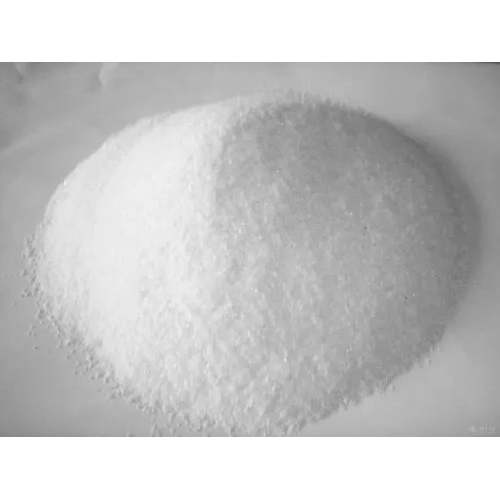
Tell us about your requirement

Price:
Quantity
Select Unit
- 50
- 100
- 200
- 250
- 500
- 1000+
Additional detail
Mobile number
Email

More Products in Speciality Chemicals Category
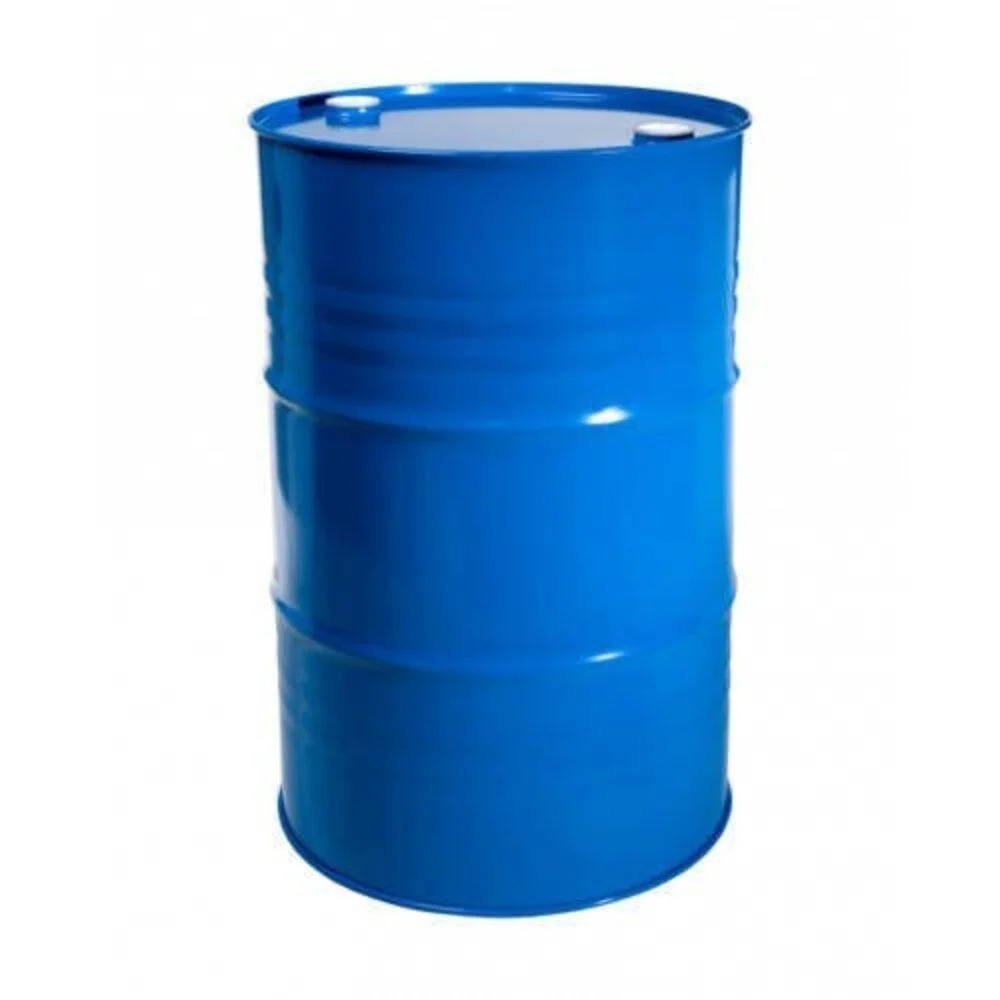
Pure Isosorbide Chemical
Price 450 INR / Kilograms
Minimum Order Quantity : 200 Kilograms
Physical Form : Liquid
Product Type : Pure Isosorbide Chemical
Purity : 99 %
Storage : Room Temperature
Trimethylolethane Chemical Powder
Price 380 INR / Kilograms
Minimum Order Quantity : 200 Kilograms
Physical Form : Powder
Product Type : Trimethylolethane Chemical Powder
Purity : 95 %
Storage : Room Temperature
Di-Cyanoguanidine Latent Curing Agent
Price 600 INR / Kilograms
Minimum Order Quantity : 25 Kilograms
Physical Form : Powder
Product Type : DiCyanoguanidine Latent Curing Agent
Purity : 99 %
Storage : Room Temperature
Dicyandiamide White Powder
Price 600 INR / Kilograms
Minimum Order Quantity : 200 Kilograms
Physical Form : Powder
Product Type : Dicyandiamide White Powder
Purity : 99 %
Storage : Room Temperature

Address
GST : 24ACUPP3364Q1ZO
- B No. 10-B, Sampatrao Colony, Below Roshni Hotel, Jetalpur Road, Vadodara - 390007, Gujarat, India
- Phone :08045803081
- Send Inquiry
 Send Inquiry

 Send Inquiry
 Send SMS
 |
NOVEL CHEM
All Rights Reserved.(Terms of Use) Developed and Managed by Infocom Network Private Limited. |
